
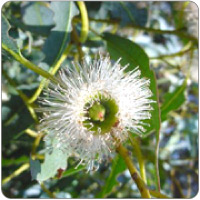
Use(s) or Purpose(s)
-
- Used for inflammation of respiratory tract mucous membranes, rheumatic complaints, rheumatoid arthritis, athletic performance, genital herpes, and nasal stuffiness. It is also used as an insect repellent.
-
- Used for infections, fever, dyspepsia, and as an expectorant for coughs. Treating respiratory tract infections, whooping cough, asthma, pulmonary tuberculosis, osteoarthritis, rheumatism, acne, wounds, poorly healing ulcers, burns, bacterial dysentery, ringworms, liver and gallbladder complaints, loss of appetite, stomatitis, bleeding gums, bladder diseases, gonorrhea, flu, swine flu, diabetes, neuralgia, and cancer. Eucalyptus oil is used for inflammation of respiratory tract mucous membranes, coughs, bronchitis, sinusitis, asthma, chronic obstructive pulmonary disease (COPD), and respiratory infections. It is also used as an expectorant, antiseptic, antipyretic, and in vaporizer fluids.
Risk Information
Caution(s) and Warning(s)
It is recommended not to apply eucalyptus essential oil to the face of children under 6 years old.
People with asthma should use eucalyptus essential oil with caution if applied to the body, especially near the respiratory tract.
Internal use in children is also not recommended. Many cases of suffocation in young children have been attributed to accidentally ingested eucalyptus oil.
Not recommended for pregnant or breastfeeding women because its effects on the fetus and baby are not known.
Use with caution in diabetics on medication, as eucalyptus may lower blood sugar.
Do not exceed the dosages indicated and discontinue treatment at the onset of any side effects, such as asthma attack, convulsions, dizziness or loss of consciousness.
Contraindication(s)
BLOOD GLUCOSE: Preliminary research suggests eucalyptus leaf might have hypoglycemic activity and theoretically might lower blood glucose and test results. DIABETES: Preliminary research suggests eucalyptus leaf might have hypoglycemic activity and theoretically might have additive effects when used with antidiabetes drugs. This might increase the risk of hypoglycemia in some patients. Monitor blood glucose levels closely. SURGERY: Eucalyptus might affect blood glucose levels. Theoretically, eucalyptus might interfere with blood glucose control during and after surgical procedures. Tell patients to discontinue eucalyptus at least 2 weeks before elective surgical procedures.
Known Adverse Reaction(s)
Orally, eucalyptus leaf theoretically might cause gastrointestinal effects. Oral use of eucalyptus oil can cause nausea, vomiting, and diarrhea. Signs of eucalyptus oil poisoning include central nervous system depression, shallow respiration, rapid pulse, coma, and death. The ingestion of 3.5 mL of the oil can be fatal to adults. Topically, prolonged exposure or large amounts of eucalyptus oil can cause agitation, drowsiness, slurred speech, ataxia, muscle weakness, and seizures. The risk of toxicity may be greater in children. Eucalyptus pollen can cause contact dermatitis in sensitive people.