
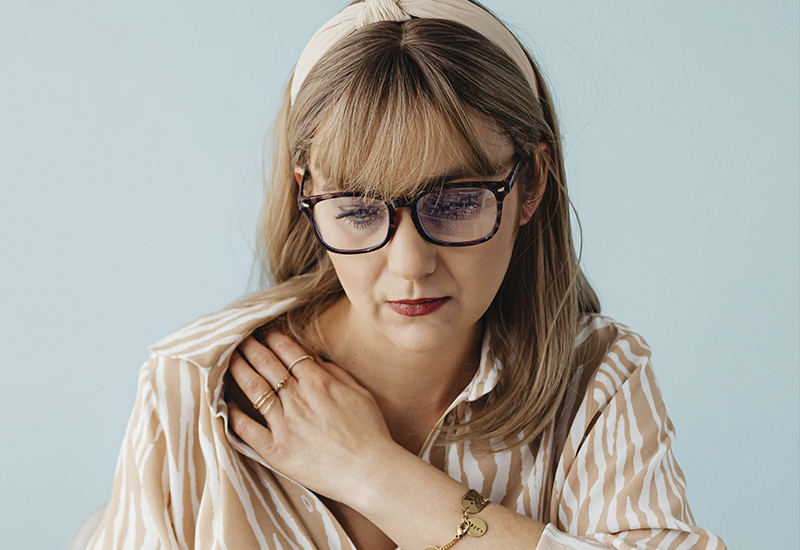
Menopause is a natural biological process that marks the end of a woman’s reproductive years. It’s a significant life milestone, often accompanied by physical and emotional changes. While it’s a normal transition, it can also bring uncomfortable symptoms that affect quality of life. Women may experience hot flashes, night sweats, mood changes, sleep problems, and changes in their body. However, there are many ways to manage these symptoms and make this transition smoother.
Here are some tips to help alleviate common menopause symptoms:
Hot Flashes and Night Sweats
- Stay cool: Dress in layers, keep your home cool, and use fans to reduce heat.
- Watch your diet: Avoid triggers like spicy food, caffeine, and alcohol.
- Exercise regularly: Regular physical activity can help reduce hot flashes.
- Stress management: Practice relaxation techniques like meditation or yoga.
Mood Changes and Anxiety
- Stay active: Regular exercise can help reduce anxiety and improve mood.
- Get enough sleep: Aim for 7-8 hours of sleep per night.
- Connect with others: Share your feelings with friends, family, or a support group.
- Mindfulness: Practice mindfulness techniques like meditation or deep breathing.
Weight Gain and Metabolism Changes
- Eat a balanced diet: Focus on whole foods, fruits, and vegetables.
- Stay hydrated: Drink plenty of water throughout the day.
- Exercise regularly: Combine cardio and strength training to boost metabolism.
- Get enough sleep: Poor sleep can disrupt hunger hormones and metabolism.
Other Tips
- Quit smoking: Smoking can worsen menopause symptoms. Quitting can improve overall health and reduce symptoms.
- Limit caffeine and alcohol: Both can trigger hot flashes and disrupt sleep.
- Try herbal supplements and teas: Some herbal supplements, like black cohosh, may help alleviate symptoms. Herbal teas like Virage Santé’s Menopausal tea can effectively soothe menopause symptoms.
Menopause is a unique experience for every woman. Listen to your body and explore different approaches to find what works best for you. By making healthy lifestyle changes and seeking support, you can navigate this transition with confidence and ease.