
Use(s) or Purpose(s)
-
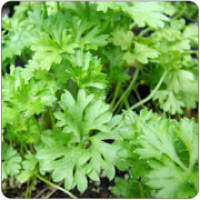
- Orally, parsley is used for urinary tract infections (UTIs), kidney stones (nephrolithiasis), gastrointestinal (GI) disorders, constipation, jaundice, flatulence, indigestion, colic, diabetes, cough, asthma, edema, osteoarthritis, anemia, hypertension, prostate conditions, and spleen conditions. It is also used orally to promote menstrual flow, induce abortion, as an aphrodisiac, and as a breath freshener.
-
-
-
- Topically, parsley is used for cracked or chapped skin, bruises, tumors, insect bites, lice, parasites, and to stimulate hair growth.
-
-
-
-
-
- In foods and beverages, parsley is widely used as a garnish, condiment, food, and flavoring.
-
- In manufacturing, parsley seed oil is used as a fragrance in soaps, cosmetics, and perfumes.
Risk Information
Caution(s) and Warning(s)
When used orally in very large doses (i.e., 200 grams); the apiole constituent might cause toxicity. Apiole can cause blood dyscrasias, kidney toxicity, and liver toxicity. Parsley oil contains significant amounts of the potentially toxic constituents, apiole and myristicin. Myristicin can cause giddiness and hallucinations….when parsley seed oil is used topically. Applying parsley seed oil to the skin can cause photodermatitis upon sun exposure.
PREGNANCY : When used orally in medicinal amounts. Parsley has been used orally as an abortifacient and to stimulate menstrual flow. Preliminary evidence suggests that maternal intake of An-Tai-Yin, an herbal combination product containing parsley and dong quai, during the first trimester increases the risk of congenital malformations of the musculoskeletal system, connective tissue, and eyes.
Contraindication(s)
No statement is required.
Known Adverse Reaction(s)
Orally, grape seed extract is well tolerated. Headache, abdominal pain, sore throat, nausea, and cough have been reported with used of grape seed, but these effects occur at rates similar to placebo. Excessive consumption of grapes, dried grapes, raisins, or sultanas might cause diarrhea due to laxative effects. There is one report of an anaphylactic reaction to grape skin extract, which included urticaria and angioedema. Grape leaves have been reported to cause gastrointestinal discomfort, diarrhea, dyspepsia, dry mouth, and retching. Other adverse effects included infections, headache, and musculoskeletal disorders. One case of leg hematoma following a minor trauma was also reported in a person using grape leaf extract.
In our infusions:
Detox | Diurino | Javaslim-t | Silhouette
References:
Passeport Santé. Approches complémentaires. Produits de santé naturels. http://www.passeportsante.net/fr/solutions/PlantesSupplements/Index.aspx
Santé Canada Natural Health Products Ingredients Database. http://webprod.hc-sc.gc.ca
Google Images. http://www.google.ca/images